CONCEPTUAL VISION/ IDEAS
PORTAL
A Concept Proposal for Sites of Arrival Across along the Atlantic
Type: Self-Initiated / Concept Proposal
Location: Adaptable (U.S. Ports of Arrival & Atlantic Sites)
Year: 2026
Status: Concept Proposal
Conceptual designs, renderings, and project materials are the intellectual property of J. Stacy Utley and may not be reproduced, adapted, or utilized without written permission.
Overview
Portal of Return is a self-initiated public art proposal that reimagines the spatial and symbolic legacy of the transatlantic slave trade through the creation of a contemporary threshold; an architectural and sculptural intervention positioned at the horizon where sky meets water.
While much powerful work has centered departure and loss; honoring what was taken and from whom, this project proposes a complementary counterpoint: a space of return, reflection, reorientation, and beyond. It creates an environment that acknowledges historical trauma while opening toward continuity, presence, and possibility.
Context
Across the Atlantic world, sites such as coastal slave castles in West Africa and port cities throughout the United States mark points of forced departure and arrival. These locations represent moments of rupture, where millions of Africans were displaced, separated from identity, language, and kin, and forced into generational bondage.
The "Door of No Return"; a recurring architectural and symbolic element within these sites; has inspired artists, architects, and communities to bear witness to this irreversible passage. This body of work is vital and ongoing, and Portal of Return situates itself in conversation with it, not in departure from it.
Portal asks:
What does it mean to create a threshold between memory and possibility; a space where histories of displacement give way to imagination, futurity, and collective becoming??
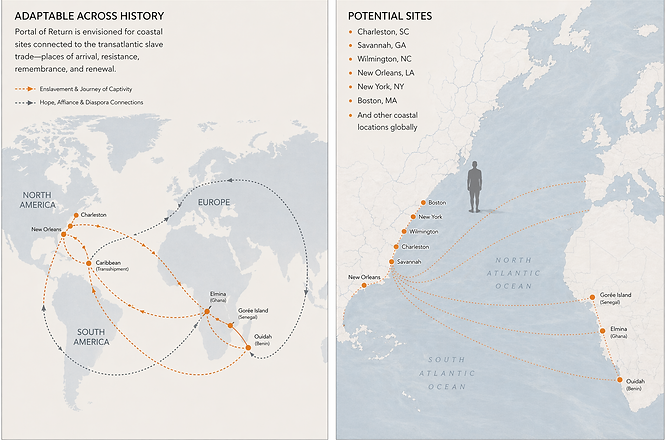
The project is conceived as a site-adaptable framework that can be located at historically significant coastal and port environments, particularly along the eastern seaboard of the United States.

The Challenge
-
How can public space acknowledge profound historical trauma without reducing it to static memorialization?
-
How might design reframe a narrative rooted in displacement into one of return and reconnection?
-
How can a project operate across multiple geographies while remaining site-responsive?
-
What does it mean to create a shared space of reflection for a global diaspora?
The challenge is to create a work that is both deeply grounded in history and open to contemporary interpretation, offering a spatial experience that resonates across generations.
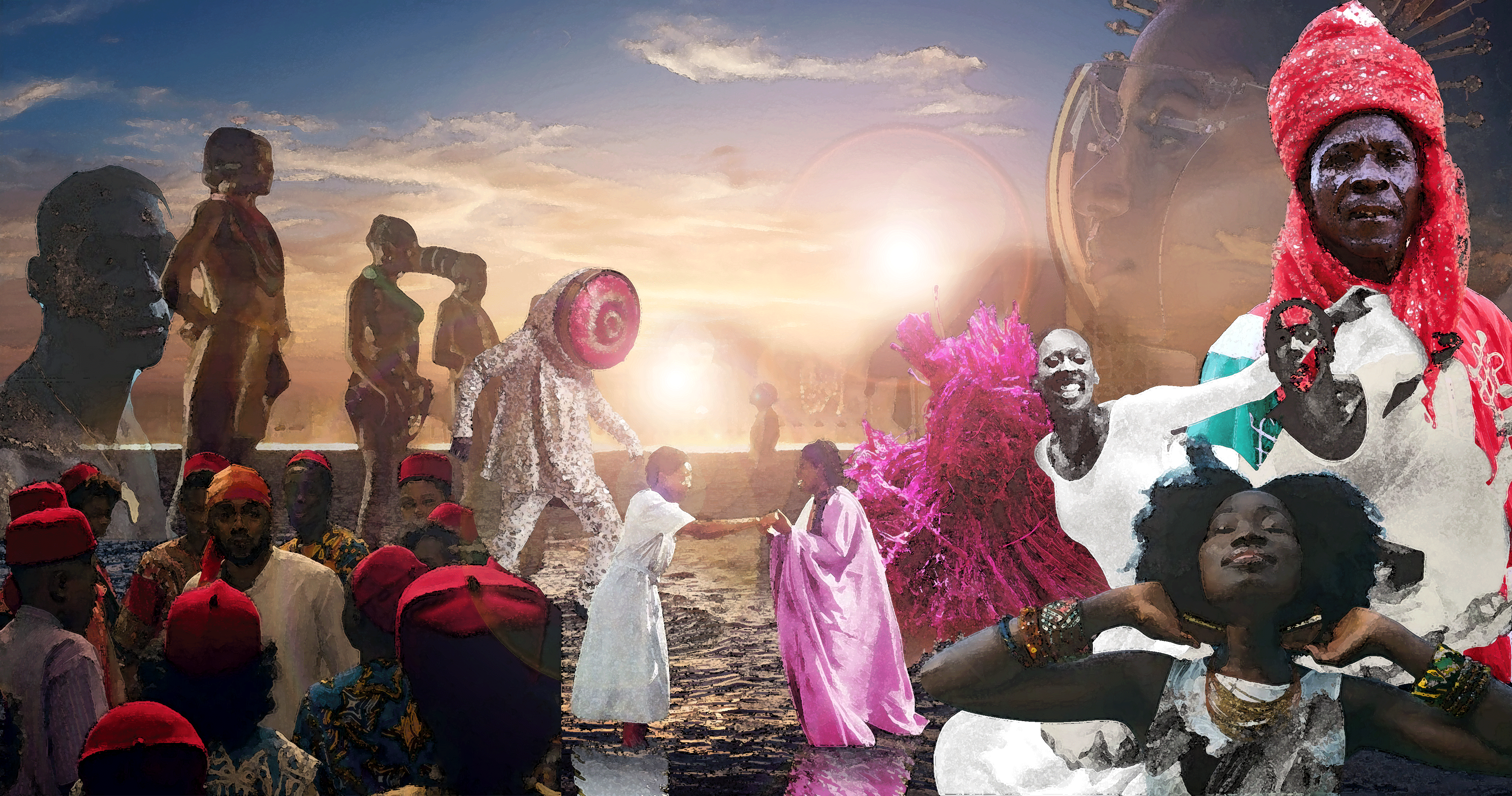
I dream a world where man
No other man will scorn,
Where love will bless the earth
And peace its paths adorn...
A world I dream where black or white,
Whatever race you be,
Will share the bounties of the earth
And every man is free.
~ Langston Hughes
Concept
Portal of Return proposes a contemporary architectural threshold; an inhabitable structure that frames the horizon line between sky and water.
The project draws from:
-
The spatial language of historic slave castles and their thresholds
-
The symbolic weight of the “Door of No Return”
-
The shared sky as a continuous element connecting continents and generations
Rather than replicating historical forms, the project abstracts them; transforming the idea of the “door” into a sequence of portals that invite movement, pause, and reflection.
Positioned along the water’s edge, the work creates a visual and physical alignment with the horizon; suggesting a conceptual return across the Atlantic.


MATERIAL INSPIRATION
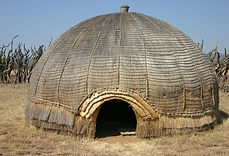
The thatched surface references vernacular
African architecture-structures of shelter, community, and resilience.
Contemporary materials express permanence, while honoring ancestral traditions.


ROOTED IN VERNACULAR TRADITIONS
Inspired by the form, texture and spiritual geometry of African vernacular architecture. Structures of endurance. Spaces of community. Symbols of identity.
The Work (Proposed Design)
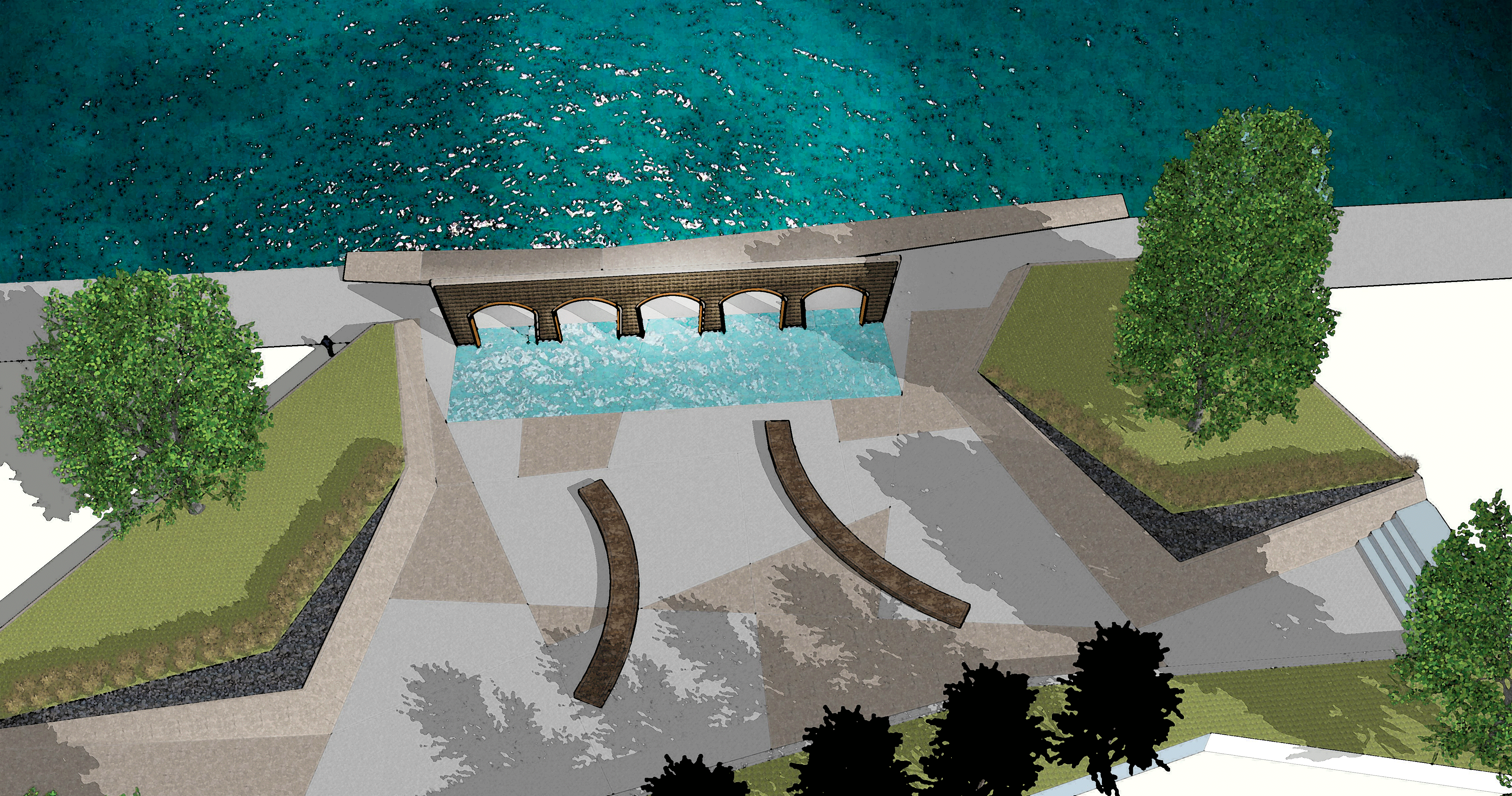
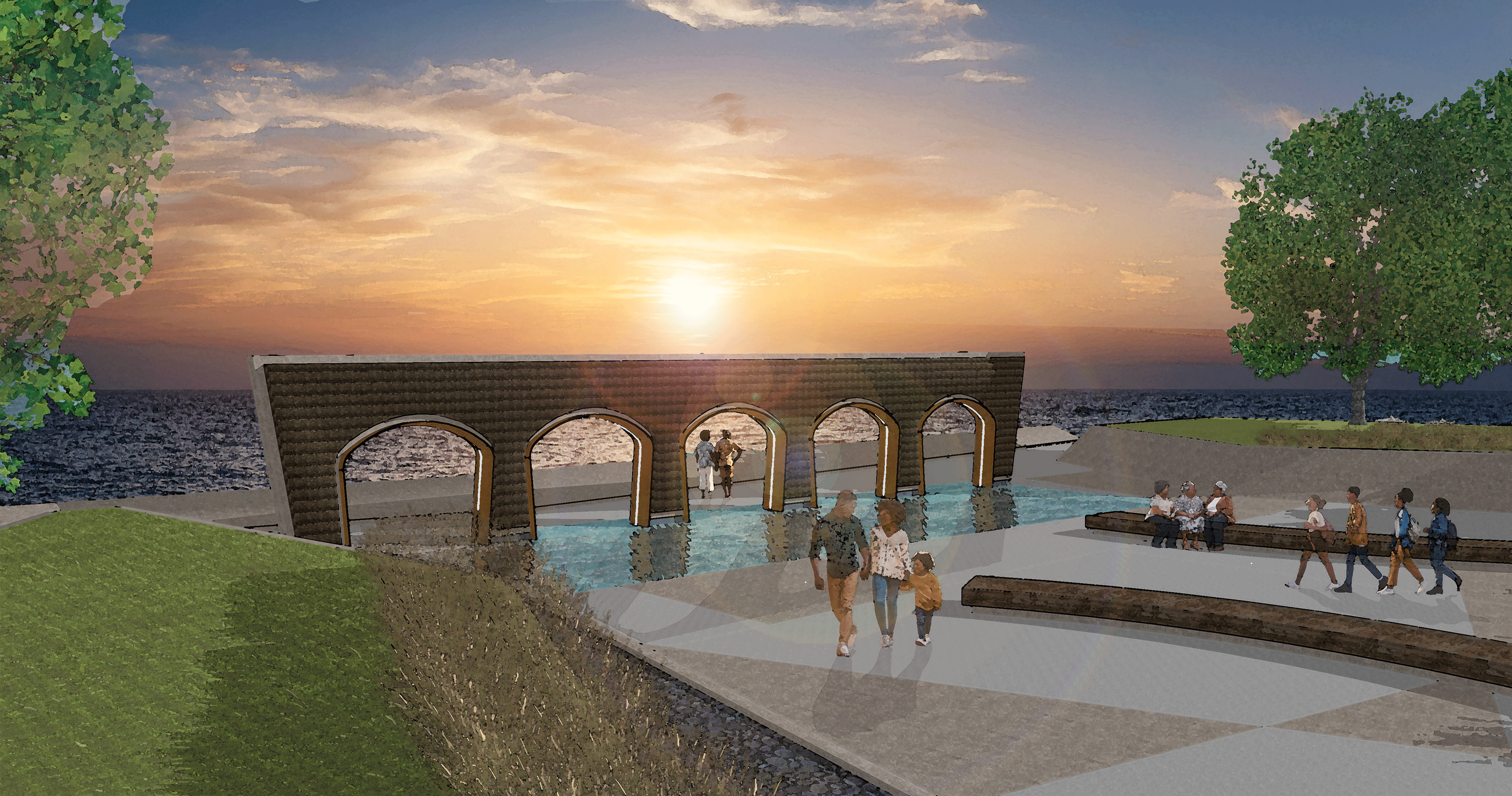
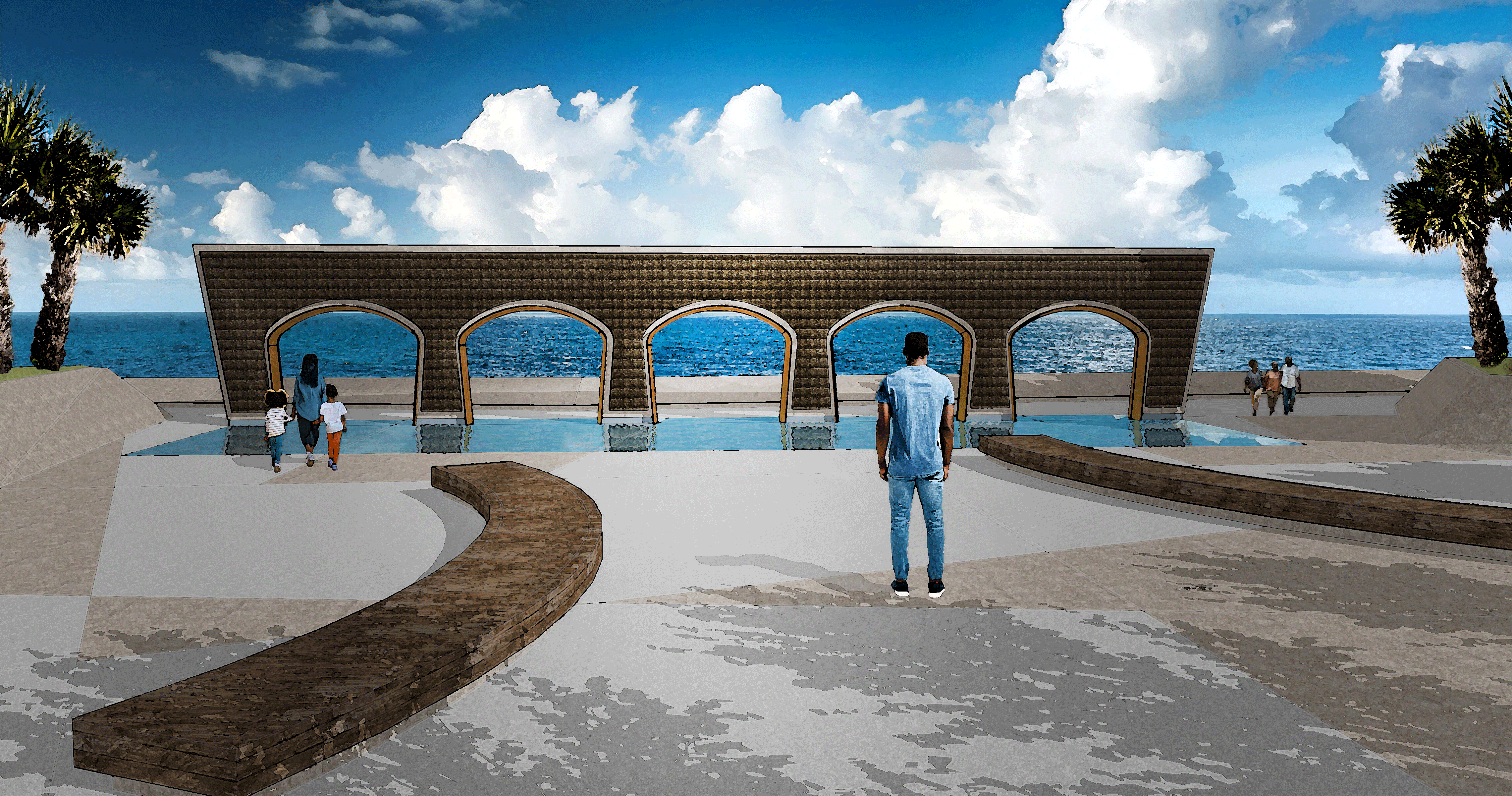
The installation consists of a linear series of arched portals forming a continuous threshold structure oriented parallel to the coastline.
Form
-
A sequence of evenly spaced arched openings
-
A horizontal datum that frames both sky and ocean
-
A minimal yet monumental presence within the landscape
Material Strategy
-
A textured exterior surface referencing vernacular African construction techniques, including thatching and woven material systems
-
Durable contemporary materials that allow for longevity while maintaining tactile richness
-
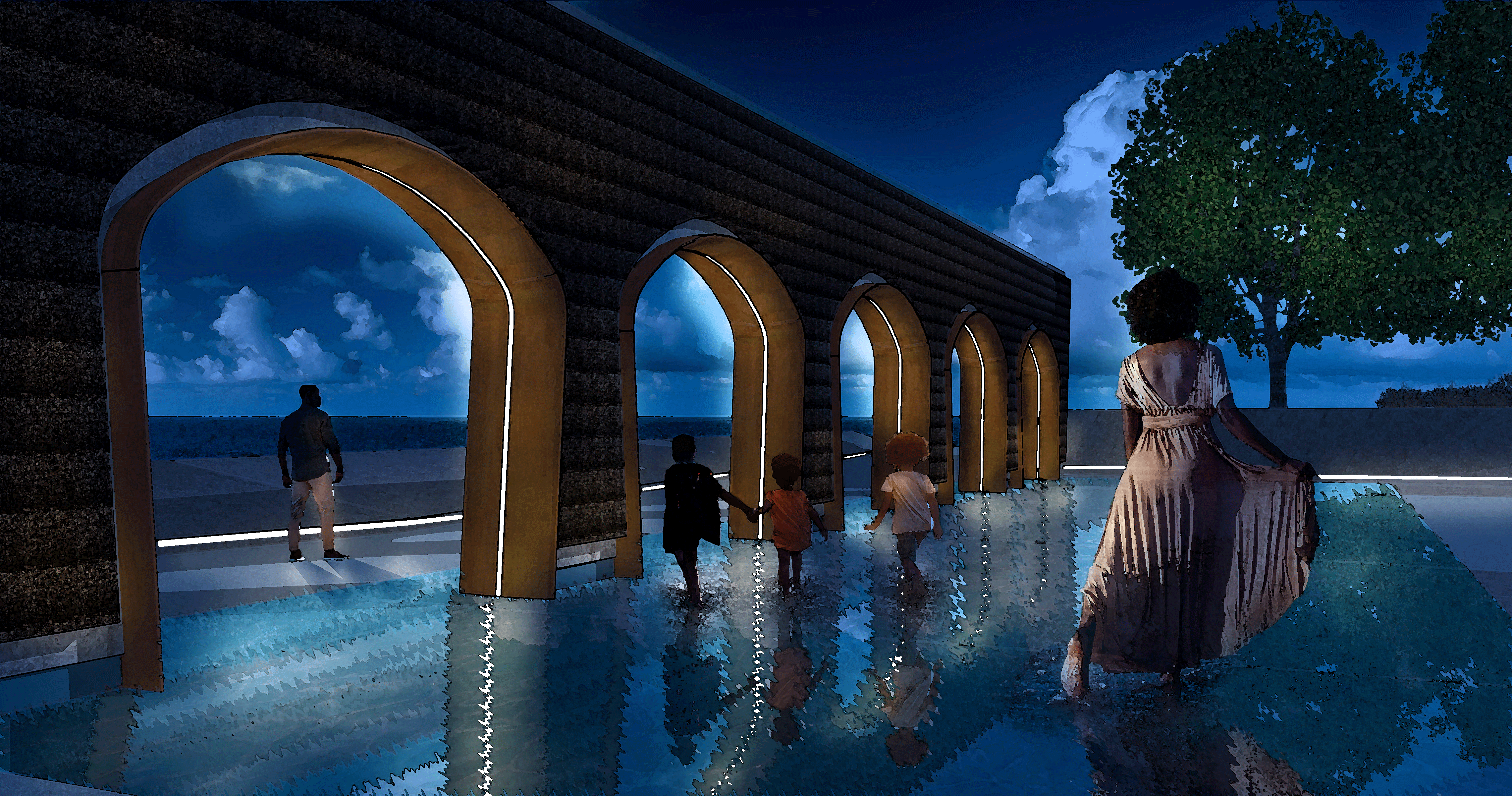
Integrated lighting that activates the structure at night
Water Element
A shallow reflecting plane extends toward the portals, creating the illusion that visitors can walk across water toward the horizon. This gesture reinforces themes of passage, reflection, and transcendence.
Seating as Vessel + Direction
The seating elements are conceived as abstracted vessel forms—referencing the ships of the transatlantic slave trade while reorienting their meaning.
Constructed in wood, these curved forms subtly evoke the hulls of ships. Their orientation and geometry suggest a reversal of trajectory; no longer departing from Africa, but symbolically returning.
Positioned along the plaza, the seating provides space for pause and contemplation while reinforcing the project’s broader conceptual framework of movement, memory, and return.
Experience
The project is designed to be experienced across multiple scales and moments:
-
Approach: Visitors move through an open plaza toward the horizon
-
Alignment: The portals frame views of the ocean and sky
-
Passage: Moving through the arches becomes a symbolic act of crossing
-
Pause: Seating elements offer moments of stillness and reflection
-
Engagement with Water: The reflective surface creates visual depth and spatial ambiguity
At night, the portals are illuminated, creating a soft, atmospheric glow that enhances the threshold condition without overwhelming the site. Subtle ground lighting evokes a field of stars, reinforcing the connection between earth, water, and sky.
Intended Impact
Portal of Return proposes a shift in how public memory is spatialized; moving from fixed narratives of loss toward open-ended frameworks of reflection, connection, and return.
If realized, the project would:
-
Create a shared site of reflection for the African diaspora
-
Reframe the narrative of the transatlantic slave trade through spatial experience
-
Connect geographically distant sites through a unified conceptual language
-
Offer a contemporary model for memorial design rooted in presence rather than monumentality